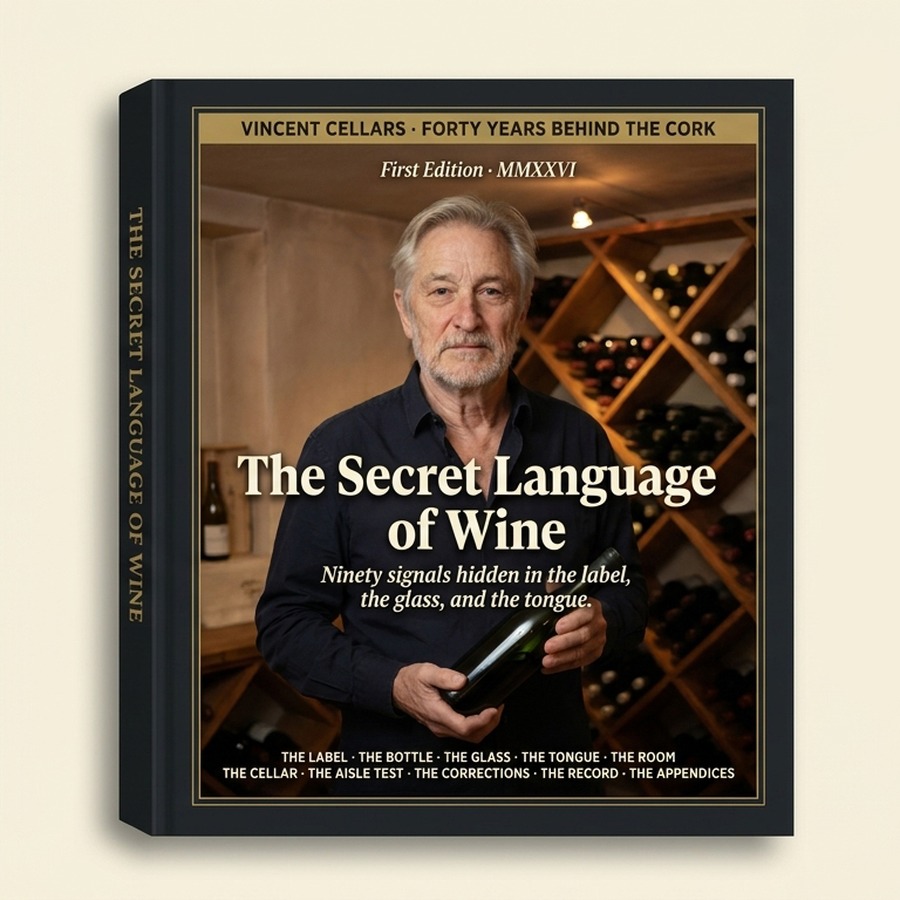
Vincent CellarsForty Years Behind the Cork
Launch promo ends in 00:00:00
Vincent Cellars Wine, read plainly

The bottle has been talking the whole time.

Forty years selling wine, buying wine and cleaning up after wine — reduced to ninety signals in the label, the glass and the tongue, so you can tell in eight seconds what a bottle is and whether the price in front of you is fair.

Instant download · Yours forever
90
Signals
6
Parts, in order
8
Seconds per bottle
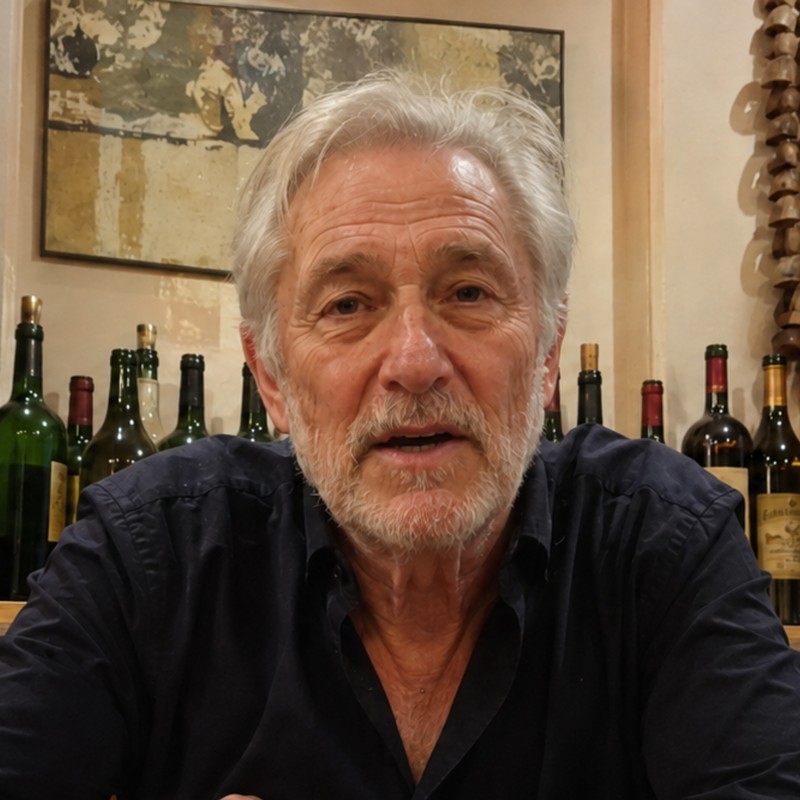
Vincent Cellars in his cellar

“Wine is not difficult. Wine is coded. The trouble is that nobody hands out the key.”

Vincent Cellars
I · The Manual

A reading manual, not a romance.

The Secret Language of Wine — First Edition

I am not going to tell you that wine is poetry in a bottle, or that a great vintage tastes of the soul of a hillside. I spent forty years in the trade, and in that time I watched an enormous number of decent people hand over money they did not need to spend, because nobody ever taught them to read the thing in their hand.

“A customer who can read a label is a customer who stops buying the wrong bottle at the right price. The industry has no particular reason to hand out the key.”

So this book is the key. Ninety signals. Each one is a specific thing you can see, smell or taste; what it actually means, which is usually narrower than the folklore around it; what to do about it the next time you are standing in front of a shelf — and, where the trade has quietly agreed on something that is not true, a short, blunt correction.

There are no scores in here, and no recommended bottles. If I tell you which Chianti to buy, you have one bottle. If I teach you to read a Chianti label, you have every Chianti in the shop, including the ones that will be made after I am gone.

II · The Difference

What changes on Saturday afternoon.

Most wine writing is built for people who already know the vocabulary. This one is built for the aisle, the restaurant list, and the twenty minutes before the guests arrive.

The way most of us buy wine
  • Reach for the third name you recognise on the list, and hope.
  • Trust the shelf tag — a score with no critic, no publication and no vintage.
  • Assume “Reserve” on an American label means something. It is entirely unregulated.
  • Pay for the heavy bottle and the deep punt, which cost the producer about a dollar.
  • Say nothing, because you cannot tell a faulty bottle from one that simply is not to your taste.
  • Serve the red too warm and the white too cold, then blame the wine.
After the ninety signals
  • Find the narrowest place name on the label and know what the producer had to commit to.
  • Read the alcohol number as a forecast of weight, before you spend a cent.
  • Spot the four bottling phrases that separate a maker from a middleman.
  • Know the two tiny letters on a Champagne label that tell you who grew the fruit.
  • Name the fault — cork taint, oxidation, brett, heat — and send it back without apologising.
  • Run the eight-second aisle test on any shelf in the country, and defend the price you paid.
III · What's Inside

Ninety signals, in the order you meet a bottle.

The label comes first, because that is what you are looking at in the shop. Then the bottle itself. Then the glass — colour, clarity, aroma. Then the tongue, where the structure lives. Then the room: shops, restaurants, hosts. Then the cellar, which for most people is a closet, and that is fine.

Part One

The Label

Signals 1 – 24
  • The big name at the top is not always the maker
  • In Burgundy, the length of the name is the price
  • On an American label, “Reserve” means nothing at all
  • “Extra Dry” is sweeter than “Brut”
  • Two tiny letters on a Champagne label tell you who grew it
Part Two

The Bottle

Signals 25 – 36
  • The shape of the bottle names a region
  • The punt is a fossil, not a feature
  • A screwcap is not a downgrade
  • On an older bottle, read the fill level first
  • Heat damage happens before you buy it
Part Three

The Glass

Signals 37 – 54
  • White wine gets darker with age; red gets lighter
  • Legs measure alcohol, not quality
  • Wet cardboard means cork taint, and you send it back
  • Nail polish and vinegar are volatile acidity
  • Smell it before you swirl, then give it ten minutes
Part Four

The Tongue

Signals 55 – 72
  • The tongue map is wrong, and it matters that you know
  • Tannin is a texture, not a flavour
  • “Dry” and “fruity” are not opposites
  • Balance is the only judgment that really matters
  • A useful tasting note has four words, not forty
Part Five

The Room

Signals 73 – 84
  • Ask for a wine by comparison, not by adjective
  • On a restaurant list, the value sits a third of the way up
  • The tasting ritual is a condition check, not a quality test
  • You may send a bottle back for fault, not for regret
  • Corkage is a negotiation with unwritten rules
Part Six

The Cellar

Signals 85 – 90
  • Steady beats perfect
  • Lie it down only if it wears a natural cork
  • Most wine does not improve, and that is not a criticism
  • An open bottle has between one day and three weeks
  • The record is the whole of wine education

And the pages built to be photographed and carried

  • The Eight-Second Aisle Test — five checks, in this order: region, vintage, alcohol, bottler, shelf tag.
  • Appendix I · The Aisle Card — the whole book at the width of a shelf.
  • Appendix II · A Glossary of Label Words — every term you will actually meet, and what it commits its producer to.
  • Appendix III · The Service Chart — serving temperature, chilling time, and what to decant, on one page.
  • Appendix IV · The Bottle Log — four words per bottle: body, acid, tannin, verdict.
Get Instant Access →
Instant download · Yours forever
IV · Reader Results

What readers say after the first month.

★★★★★

“I ran the aisle test on a Tuesday and put back the bottle I would normally have bought. The one I took instead was six dollars cheaper and better. That is the whole book working in eight seconds.”

Placeholder · Reader
★★★★★

“Thirty years of nodding along at restaurants. Last week I sent a corked bottle back, named the fault, and the sommelier agreed with me. I have never felt so calm holding a wine list.”

Placeholder · Reader
★★★★★

“The service chart is taped inside my cupboard door. Twenty minutes out for the white, twenty minutes in for the red — the same wines I have always bought suddenly taste like better wines.”

Placeholder · Reader
V · About

Forty years behind the cork.

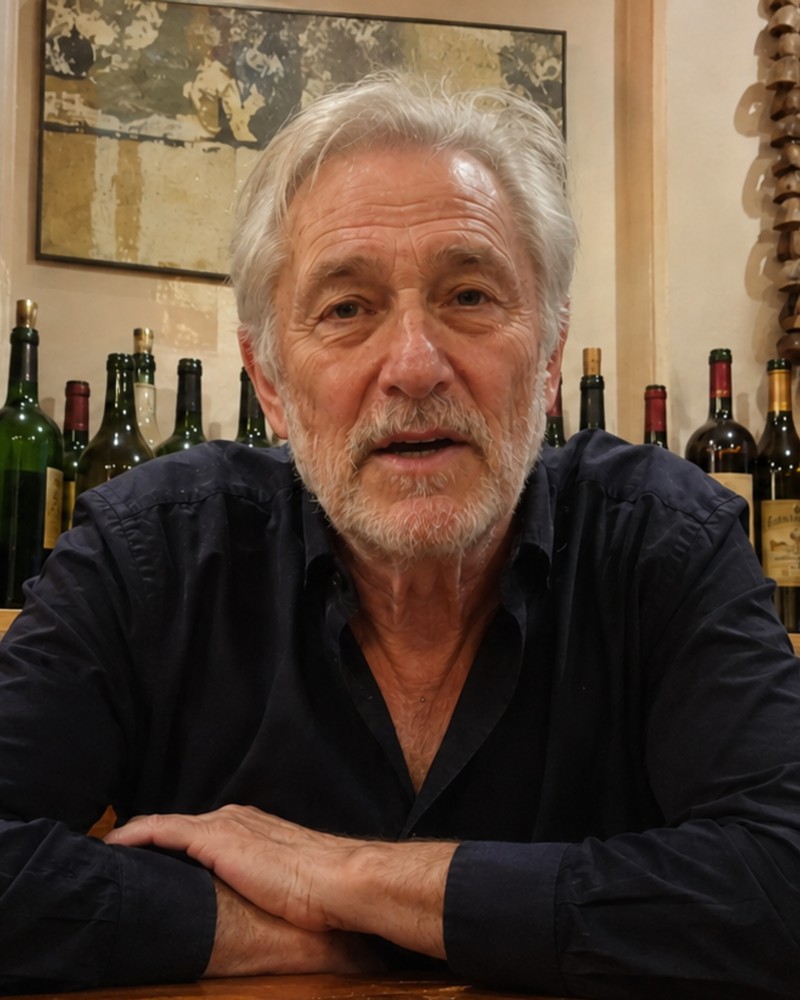
Vincent Cellars

I sold wine, bought wine, and cleaned up after wine for forty years. Shop floors, tasting rooms, restaurant lists, and a great many evenings spent explaining the same six things to people who had been made to feel foolish for asking.

That is what wore me down in the end — not the work, the embarrassment. Perfectly capable adults standing in an aisle holding a document written in a language nobody had taught them, guessing. And the odd thing is how small that language turns out to be. There are perhaps thirty words on a wine label that do real work, and perhaps a dozen sensations in a glass worth separating out. That is the entire vocabulary — less than you would need to order breakfast in a country you were visiting for a week.

So I wrote it down. Where a rule has an exception, I give you the exception. Where the trade has quietly agreed on something that is not true, I say so plainly. Where the honest answer is that it depends, I tell you what it depends on rather than pretending it does not.

“Read it, use it, and when the bottle proves me wrong, trust the bottle.”
Vincent Cellars
Vincent Cellars · First Edition · MMXXVI
VI · The Offer

The Secret Language of Wine

Ninety signals hidden in the label, the glass, and the tongue — and how to read every one in eight seconds.

The Secret Language of Wine
First Edition · MMXXVI · 131 Pages
  • The complete manual — PDF, 131 pages. All ninety signals across six parts, in the order you meet a bottle.
  • The Eight-Second Aisle Test. Five checks, in the order that matters, for any shelf in the country.
  • Appendix I · The Aisle Card. One page to photograph and carry in your pocket.
  • Appendix II · The Label Glossary. The words that do real work, and what each commits a producer to.
  • Appendix III · The Service Chart. Temperature, chilling time and decanting, on one page for the kitchen cupboard.
  • Appendix IV · The Bottle Log. The four-word record that turns drinking into education.
  • Reads on anything. Phone, tablet, laptop — or printed and left beside the corkscrew.
$47$27 Launch promo · US dollars
Get Instant Access →
Instant download · Yours forever
Visa · Mastercard · Amex · PayPal · Secure checkout by Gumroad
VII · Questions

Before you buy.

Is this another snobby wine book?

No. There are no tasting notes in here — you will find no blackcurrant cascading over crushed gravel. There are no scores, no recommended bottles, and no vintage chart. It is not a guide to which wines are good; taste is yours and I have no business legislating it. It is a book about reading what is already printed on the bottle, poured into the glass, and sitting on your tongue.

Do I need to know anything about wine already?

Nothing at all. The first part is the label, and the label is the part you can read stone-cold sober in a supermarket with no experience whatsoever. If you only ever read Part One you will still buy better wine on Saturday than you did last Saturday.

The parts on the glass and the tongue should be read at a table with a bottle open — that is the only prerequisite, and it is a pleasant one.

Your videos are free — why buy the book?

Because a video is one signal, and you cannot carry it into a shop. The book is all ninety, in the order you actually meet a bottle, cross-referenced, with the corrections attached and four appendix pages built to be photographed and kept on your phone. The channel is where I show you a signal. This is where you get the whole language, in the order it is spoken.

Why only $27?

Because it is a PDF, and there is no printer, no warehouse and no shipping standing between me and you. Twenty-seven dollars is roughly one bottle you would have regretted, and the aisle test alone tends to save that several times over in a year. I would rather ten thousand people read it than a thousand people pay for the hardback I did not print.

Does it work outside the United States?

Mostly, yes. The label chapters cover France, Italy, Spain, Germany and the New World, because those are the bottles on every shelf in the world. Prices are quoted in US dollars, and a handful of signals describe American bottling law specifically — where that happens, the signal says so.

Appellation rules, labelling laws and shipping regulations change, and they differ from country to country and state to state. Where the book describes a legal definition, it describes it as a guide to reading a label, not as legal advice.

What format is it, and how do I get it?

A single PDF, 131 pages, delivered the moment you pay. It opens on a phone, a tablet, a laptop or a printer. There is no app, no login and no subscription. Download it, keep it, print the appendices, and put the file somewhere you will find it again.